

The choice between the OnePlus 6 and the Samsung Galaxy S9 is a recurring debate among those seeking a powerful and well-rounded Android phone. Both models represent excellence in their respective categories, but they present significant differences in design, performance, cameras, and overall user experience. In this article, we analyze each key aspect in depth to help you decide which one best suits your expectations for a high-end smartphone.
Introduction: OnePlus 6 and Samsung Galaxy S9, two benchmarks in Android
Before diving into the technical details, it's essential to understand each manufacturer's approach. OnePlus , with less time on the market, has managed to position itself thanks to its policy of offering high-performance phones at competitive prices, aimed at a demanding audience that prioritizes performance and the "pure" Android experience. On the other hand, Samsung is synonymous with innovation and premium design in the Android universe, with a well-established reputation and millions of phones sold worldwide.
Comparing both models is key to making the best purchasing decision when you're looking for a balance between features, design, and price. Keep in mind that, although both smartphones were launched within a similar timeframe, their focus and target audience may vary, making their differences especially relevant.

Pricing and Availability: Which Offers More for Less?
Price is always a deciding factor. The Samsung Galaxy S9 launched with a significantly higher price than the OnePlus 6. Although deals have been found on various platforms over time, the OnePlus 6 is generally more affordable in terms of price/performance ratio.
The Galaxy S9 is usually found in official stores near the high end of the price range, although there are occasional promotions on third-party sites. The OnePlus 6, meanwhile, came at a more affordable base price, highlighting its great value. All things being equal, the base version of the OnePlus 6 is cheaper than the Galaxy S9 in most markets.
- OnePlus 6: Competitive base price at launch.
- Samsung Galaxy S9: Premium introductory price, with progressive reductions over time.
Technical comparison: OnePlus 6 specifications vs. Samsung Galaxy S9
Below, you'll find a comparison table highlighting the main technical specifications of both models. This analysis includes data on connectivity, screen, battery, cameras, processors, and other key differences, allowing you to compare what really matters at a glance.
| Specifications | OnePlus 6 | Samsung Galaxy S9 |
| Dimensions | 155,7 × 75,4 × 7,75 mm | 147,7 × 68,7 × 8,5 mm |
| Weight | 177 gr | 163 gr |
| Screen | 6,28″ Optic AMOLED, 2280 x 1080 px, 19:9, Gorilla Glass 5 | 5,8″ Super AMOLED, 2960 x 1440 px, 18.5:9, Gorilla Glass 5 |
| Pixel density | 402 ppi | 568 ppi |
| Processor | Qualcomm Snapdragon 845 (10nm, Octa-Core 2.8GHz) | Qualcomm Snapdragon 845 (USA) / Exynos 9810 (Europe, Octa-Core 2.7 GHz) |
| GPU | Adreno 630 | Adreno 630 / Mali-G72 MP18 |
| RAM | 6GB / 8GB LPDDR4X | 4 GB LPDDR4X |
| Internal storage | 64GB / 128GB / 256GB UFS 2.1 (not expandable) | 64GB / 128GB / 256GB UFS 2.1 (expandable via microSD up to 400GB) |
| Battery | 3.300 mAh, Dash Charge, non-removable | 3.000 mAh, Quick Charge 2.0 and Qi wireless charging, non-removable |
| Operating System | Android 8.1 Oreo running OxygenOS (upgradable to recent versions) | Android 8.0 Oreo running Samsung Experience (upgradable to recent versions) |
| Rear cameras | Dual: 16 MP f/1.7 + 20 MP f/1.7 (Sony IMX519, OIS, EIS, PDAF, Dual LED flash) | 12 MP f/1.5-2.4 variable (OIS, Dual Pixel PDAF, LED flash) |
| Video recording | 4K@30/60fps, 1080p@30/60/240fps, 720p@480fps | 4K@60fps, 1080p@240fps, 720p@960fps (super slow motion) |
| Frontal camera | 16 MP f/2.0, EIS | 8 MP f/1.7, autofocus |
| Connectivity | LTE Cat16, Dual SIM, WiFi 802.11 a/b/g/n/ac, Bluetooth 5.0, NFC, USB 2.0 Type C, 3.5mm jack | LTE Cat18, Single SIM or Dual SIM, WiFi 802.11 a/b/g/n/ac MU-MIMO, Bluetooth 5.0, NFC, USB 3.1 Type C, 3.5mm jack, FM radio |
| Extras | Rear fingerprint reader, facial recognition, light sensor, gyroscope, Alert Slider | Rear fingerprint reader, facial recognition, iris reader, IP68 water resistance, Samsung DeX, AKG stereo speakers, Dolby Atmos, Samsung Pay |

Key differences in design and construction
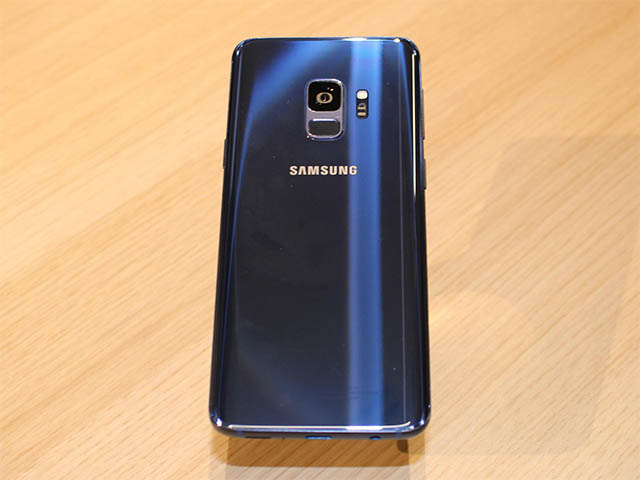
Both smartphones boast premium materials , with a reinforced glass front and back and aluminum frames. The Samsung Galaxy S9 maintains its curved edges and compact ergonomics thanks to its smaller size and lighter weight. Meanwhile, the OnePlus 6 stands out for its larger screen with a notch at the top, resulting in an outstanding screen-to-body ratio of over 83% (approximately).
- Galaxy S9: Notch-less design, "Edge" curvature on both sides, and IP68 certification against water and dust. The fingerprint reader is located below the rear camera.
- OnePlus 6: : Top notch, glass back available in several colors (Mirror Black, Midnight Black, Silk White), brand-distinctive physical Alert Slider, and 3.5mm headphone jack.
The Galaxy S9 feels more compact in hand, comfortable even in smaller hands. The OnePlus 6, with its larger display, aims to satisfy those who prioritize multimedia viewing and productivity.
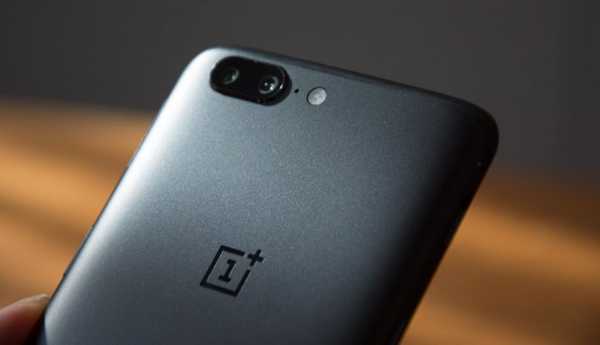
Another differentiating factor is durability. The Galaxy S9 has IP68 certification , making it submersible and dustproof, unlike the OnePlus 6, which lacks official water and dust protection.
Display: Technology, Sharpness, and Visual Experience
The screen section is one of the most differentiating in this comparison:
- Samsung Galaxy S9: 5,8-inch Super AMOLED panel with QHD+ resolution (2960 x 1440 pixels) and 568 ppi density. Compatible with HDR10, Always On Display technology and outstanding brightness even outdoors, offering pure blacks and vivid color saturation.
- OnePlus 6: 6,28-inch Optic AMOLED display with Full HD+ resolution (2280 x 1080 pixels) and a pixel density of 402 ppi. It includes a notch, but it can be hidden via software. Color representation is excellent, with great contrast, although sharpness and resolution are a step lower if you're looking for maximum pixel density.
If you're a heavy user of multimedia content, games, or virtual reality apps, the Galaxy S9's panel clearly offers an advantage in brightness, definition, and support for advanced technologies. The OnePlus 6, meanwhile, offers an immersive visual experience with its generous size, slim bezels, and excellent color calibration.
Performance and user experience
Both phones feature the Qualcomm Snapdragon 845 processor in most regions (the Galaxy S9 uses the Exynos 9810 in Europe). This chip, along with the Adreno 630 GPU (or Mali-G72 in the European version of the S9), delivers outstanding performance in multitasking, demanding games, and productivity applications.
- OnePlus 6: Available in 6GB and 8GB RAM versions, it maintains fluid performance even with many apps open, and its customization layer OXYGEN It's famous for its lightness, speed, and frequent updates. The integration of "almost pure" Android ensures a highly polished experience.
- Samsung Galaxy S9Equipped with 4GB of RAM, its performance is excellent, especially after software updates. However, the Samsung Experience layer (One UI in newer versions) adds exclusive features and advanced options, although it may be somewhat heavier than OxygenOS.
Although both achieve very high benchmark scores (such as AnTuTu or Geekbench), the OnePlus 6 tends to slightly outperform in app launch speed and RAM management thanks to its greater capacity and software optimization. The Galaxy S9 excels in multitasking and added features, such as the use of Samsung DeX to transform the phone into a near-desktop environment.
Storage and memory expansion
This is one area where the Galaxy S9 has a clear competitive advantage: it allows you to expand the internal memory using microSD cards up to 400 GB, ideal for those who store large amounts of photos, videos, or documents. The OnePlus 6, on the other hand, doesn't offer this option; you have to choose the appropriate storage capacity when you buy it (64 GB, 128 GB, or 256 GB).
Both use UFS 2.1 technology for very fast read/write speeds.
Battery and autonomy: Which lasts longer?
Battery life is another key factor in high-end smartphones. The OnePlus 6 has a larger battery (3.300 mAh) than the Galaxy S9 (3.000 mAh). In practice, the OnePlus 6's battery life tends to be better, thanks to its ultra-light software and lower screen resolution, which translates into full days of intensive use without any surprises.
The Galaxy S9 also delivers good battery life for a day of mixed use, although the QHD+ screen can negatively impact power consumption if you use high brightness or Always On Display features. It does stand out, however, for its wireless (Qi) charging and fast wired charging, while the OnePlus 6, despite its Dash Charge ultra-fast charging system, is not compatible with wireless charging.
Operating system and updates
The user experience is heavily influenced by the operating system and the customization layer. The OnePlus 6 uses OxygenOS , which is extremely optimized and very close to stock Android, resulting in smooth and fast performance for every task, as well as frequent updates that keep it up-to-date with both features and security. This update frequency is highly valued by those looking for a phone that will stay updated in the long term.
The Samsung Galaxy S9 uses the Samsung Experience interface, which has since evolved into One UI. This interface adds unique features such as Samsung Pay, Edge Panel, DeX support, advanced themes, and a wealth of customization options, although it tends to receive updates somewhat later than stock Android models.

Cameras: technology, quality and video recording
The camera is one of the most crucial factors in a premium smartphone. Here we find different approaches :
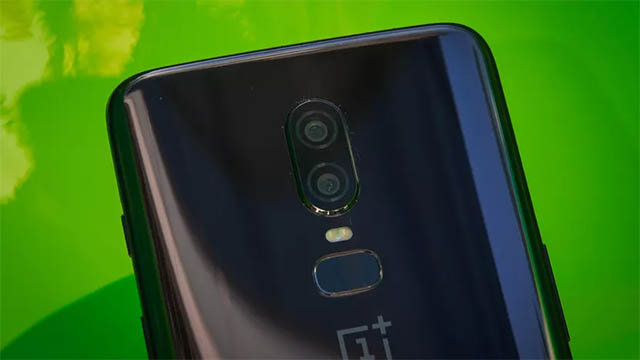
- OnePlus 6: Dual 16 MP rear cameras (Sony IMX519, 1.22 µm pixels, OIS, EIS) + 20 MP (f/1.7, auxiliary sensor for portrait mode and better low-light capture), video recording up to 4K@60fps and slow motion at 480 fps. Its 16 MP front camera takes high-quality selfies, with facial recognition and EIS.
- Samsung Galaxy S9: 12MP main sensor with f/1.5–2.4 variable aperture, OIS, Dual Pixel PDAF, 4K@60fps video, and 960fps slow motion. The 8MP front camera with autofocus and f/1.7 aperture delivers great detail in self-portraits, especially in low-light situations.
The Galaxy S9 has a leg up in night photography thanks to its variable aperture, and is also one of the best phones for recording super slow motion video. The OnePlus 6, meanwhile, offers advanced control and excellent quality in portrait mode and bokeh effects.
In everyday use, both phones deliver sharp captures, although more demanding users will find noticeable differences in both color reproduction and shadow handling and exposure.
Connectivity and extras
Both devices include the most advanced current standards:
- WiFi 802.11 a/b/g/n/ac (dual band)
- Bluetooth 5.0
- NFC
- High-speed LTE
The OnePlus 6 features dual SIM (Dual Nano-SIM), ideal for those who travel or use multiple personal and professional phone lines. The Galaxy S9, in some versions, also offers this option, but it stands out for its integrated FM radio, compatibility with the Samsung DeX platform, and mobile payment services with Samsung Pay.
Audio and multimedia
Sound is another aspect where there are noticeable differences:
- Samsung Galaxy S9: System stereo speakers Calibrated by AKG and featuring Dolby Atmos support, providing an immersive audio-visual experience for music, video, and gaming. It retains the 3.5mm jack for traditional headphones.
- OnePlus 6: Good quality mono speaker, with Dirac HD Sound support and also a 3.5mm jack, although it does not have the same power or depth in external audio as the Galaxy S9.
Sensors and security
Both models offer advanced unlocking systems and comprehensive sensors:
- OnePlus 6: Ultra-fast rear fingerprint reader, software-based facial unlocking.
- Samsung Galaxy S9: Rear fingerprint reader, face unlock, iris reader, pressure sensor, barometer and heart rate sensor, expanding possibilities in health and safety.
Updates and long-term support
The update policy shapes the long-term experience. OnePlus has stood out from the beginning for offering system updates and security patches at an above-average rate. Samsung has improved significantly in recent generations, but its pace remains slower, especially for older devices.

Expert opinion: strengths and weaknesses of each model
Both smartphones have compelling reasons to be your next phone. The OnePlus 6 impresses with its value for money , clean Android experience, impressive performance, and above-average battery life. It's especially recommended for advanced users who want a phone that's easy to modify and customize, and who value fast updates.
The Samsung Galaxy S9 stands out for its unparalleled screen , sound quality, water/dust resistance, and an ecosystem of unique features, such as Samsung DeX and Samsung Pay. It's the ideal choice if you're looking for top-quality multimedia, advanced photography, and reliability in every aspect.
We shouldn't overlook the accessories and compatibility section. The Galaxy S9 is compatible with Gear VR virtual reality headsets and exclusive Samsung accessories, while the OnePlus 6 offers easy integration with universal accessories, maintaining the 3.5mm jack and the Alert Slider, very useful for instantly changing sound modes.
Video comparison: in-depth reviews and analysis
To give you a practical and audiovisual perspective, we recommend these expert video analyses and comparisons where both models are tested in real-world scenarios:
- Detailed review of the OnePlus 6:
https://www.youtube.com/watch?v=v_alF39J8Tk[/embed>
- Complete analysis of the Samsung Galaxy S9:
https://www.youtube.com/watch?v=WUzsVbXAF74[/embed>
- Camera comparison between the Samsung Galaxy S9 + and the OnePlus 6 (in English):
https://www.youtube.com/watch?v=G_rmgrXvGJE[/embed>
Quick comparison: pros and cons
- Advantages of the OnePlus 6:
- Best quality / price ratio
- More RAM and base storage
- Fast and constant updates
- Almost pure and very fluid Android experience
- Advantages of the Samsung Galaxy S9:
- Higher resolution and quality screen
- IP68 water and dust resistance
- Rear camera with variable aperture and improved night performance
- Stereo speakers, wireless charging, and Samsung Pay
- OnePlus 6 Weaknesses: No wireless charging, no microSD, no official water resistance
- Galaxy S9 Weaknesses: Higher price, less RAM in standard versions, slightly heavier software layer

Frequently asked questions and common doubts
Which one performs better in demanding games and applications?
The Snapdragon 845 processor, superior RAM, and optimized OxygenOS give the OnePlus 6 slightly more stable FPS rates in gaming and better multitasking, though the Galaxy S9 also delivers excellent performance for AAA games and augmented reality games.
Which phone receives Android updates first?
Historically, OnePlus has delivered system updates and security patches more quickly, ahead of most manufacturers, while Samsung has been improving but still lags somewhat behind.
Which is better for photography and video?
It depends on the scenario: the Galaxy S9 performs better in low light and super slow motion video, while the OnePlus 6 excels in portrait mode and selfies thanks to its dual sensors and higher-resolution front camera.
Does the OnePlus 6 battery last much longer?
Thanks to their larger capacity and lower screen resolution, they tend to offer slightly longer battery life, especially in intensive use, although both can easily last a full day of use.
Which mobile is more resistant?
The Galaxy S9 is IP68 certified, making it the right choice if you're looking for water and dust resistance.
Choosing between the OnePlus 6 and the Samsung Galaxy S9 depends on your priorities: if you value a clean Android experience, more RAM, and faster updates, the OnePlus 6 is a safe bet at a more affordable price. If your priority is the best screen, certified durability, a high-level camera in challenging environments, and exclusive Samsung ecosystem features, the Galaxy S9 remains one of the benchmarks in the high-end Android market. Both options represent the best of each approach and more than deliver in all the essential aspects of a premium smartphone.