

WhatsApp , the instant messaging app with one of the world's largest and most active user bases, has been the cornerstone of digital communication globally for years. Its integration into the daily lives of millions of people now extends far beyond messages and calls: the mobile payments revolution has arrived on WhatsApp , transforming the app into the epicenter of personal, professional, and business financial management.
WhatsApp as a mobile payments platform: innovation and global adoption

The unstoppable trend toward mobile payments has found its most promising player in WhatsApp. This feature, which launched in pioneering markets like Brazil and India, has positioned WhatsApp as a real alternative to other solutions such as Google Pay or Apple Pay. Meta —WhatsApp's parent company—is committed to transforming the app into a comprehensive financial platform where users can manage all kinds of transactions without leaving the conversation.
In countries like India , the unified payments model using UPI (Unified Payments Interface) technology has allowed users to send money, pay in stores, pay utility bills, and make recurring payments directly within the chat. WhatsApp's reach and strong presence in strategic markets give Meta a unique advantage in driving the global adoption of mobile payments.
While some countries are moving forward with integrating these features, others are awaiting regulatory improvements for their deployment. However, everything indicates that, soon, this option will expand to new regions, redefining the way people manage their digital finances.
How do payments and the digital wallet work on WhatsApp?

WhatsApp's payment system is designed to guarantee security, convenience, and speed . The experience, designed for both individuals and small businesses, integrates different payment methods within the application:
- Direct transfers between users
- Payments to businesses and merchants via links, QR codes, or payment requests
- Payment of utility bills such as electricity, gas, water, rent and telephone, all without leaving the chat
- Mobile top-ups and recurring payments
Users can add their bank account, credit or debit card, or set up a digital wallet, offering flexibility in choosing how and where to manage payments. To send money, simply access the Payment option in the attachment menu, enter the amount, and confirm the transaction with a PIN, fingerprint, or biometric system.
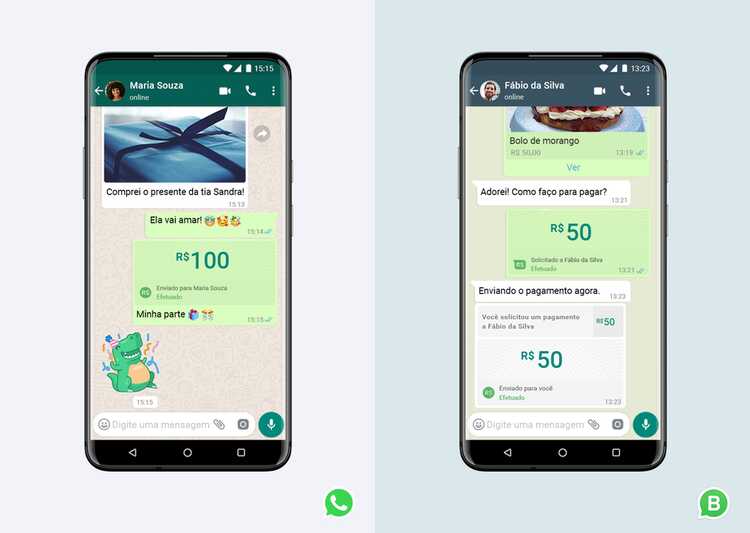
In addition, WhatsApp allows businesses to send personalized payment requests directly in the chat . The customer simply taps the link, selects their preferred method, and completes the payment securely. The entire payment process is recorded within the same conversation, making it easy to manage and track each transaction.
Electronic Wallet and the Future of WhatsApp
Meta is working on creating its own digital wallet integrated into WhatsApp , inspired by successful models like WeChat Pay and Alipay in Asia. This wallet will allow users to store funds, make payments in physical and online stores, and transfer money between users, aiming for a seamless, omnichannel, and secure experience.
A key feature of the new wallet is the ability to add funds directly within WhatsApp and use them as if they were a separate wallet, providing an extra layer of security and control over spending. This is especially useful when users prefer to keep their available balance separate for direct payments, streamlining and simplifying the experience without needing to access their main bank account in real time.

Security and privacy in WhatsApp mobile payments
Security is a fundamental pillar of the WhatsApp payment service:
- PIN authentication six-digit and/or fingerprint or facial recognition to authorize each payment
- End-to-end encryption for all communications, including transaction data
- The digital wallet balance, banking data and personal details are stored in secure environments, limiting access to the user only.
- Additional mechanisms, such as UPI Lite in India, are being implemented in some regions for fast, low-value payments without impacting the overall security of the system.
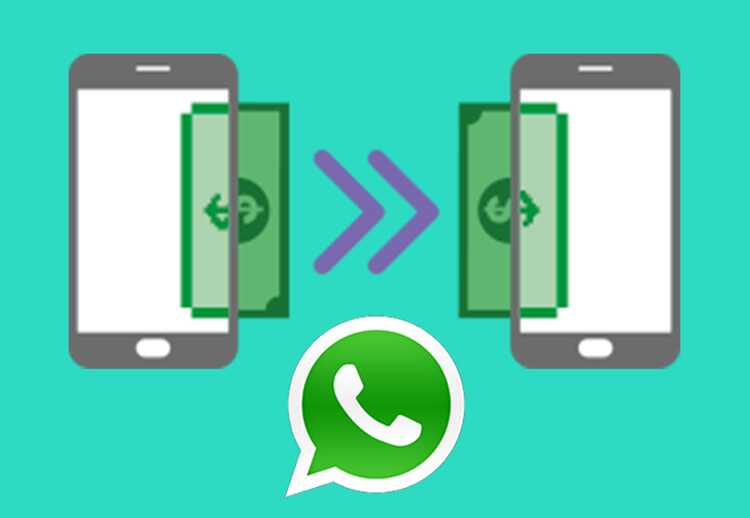
This approach allows WhatsApp to comply with local regulations and adapt to the regulatory requirements of each country, ensuring that the adoption of mobile payments is always backed by maximum data protection and privacy.
Main features of the WhatsApp payment platform

- Personal payments: Send and receive money between individuals, whether to share expenses, send remittances, or make occasional payments.
- Commercial payments: Businesses can accept instant payments in chat, generate custom links and QR codes, and automate payment requests.
- Invoice and service managementIn markets like India, WhatsApp allows you to pay utility bills (water, electricity, gas, rent, and phone) directly, streamlining household and business management.
- Independent wallet: Top up and use specific balance for your purchases, with full control and tracking from the app.
- Payment links and solutions for businessesMerchants can create payment links that are shared via WhatsApp or other platforms, guiding the customer to a secure, integrated gateway.
Compatibility, requirements and configuration
To use the WhatsApp payment platform, it is essential:
- Have a whatsapp account active and updated
- Associate a valid mobile phone number and, in the case of commercial payments, link a WhatsApp Business account
- Link a bank account, debit/credit card or set up the digital wallet available in the region
The setup process typically includes SMS verification, acceptance of terms and conditions, selection of a preferred payment method, and creation of a security PIN. In markets where the WhatsApp Pay API is available, businesses can further customize their payment flow, integrating real-time notifications and advanced features to tailor the experience to their brand.

User experience: What it's like to pay and get paid on WhatsApp
The WhatsApp family environment simplifies every interaction:
- To send money: Simply access the recipient's chat, tap the attach icon, select Payment, enter the amount, and confirm with your authentication method.
- To receive paymentsShare your QR code, payment link, or simply request a transfer in the conversation. Everything is logged, and you can track every deposit received.
- In commercial transactions, the payment gateways They allow you to complete purchases without leaving the chat, closing sales immediately and securely.
For businesses, in addition to accepting direct payments, WhatsApp offers the ability to integrate advanced solutions with APIs for notifications, reconciliations, and personalizing the payment experience, opening up endless opportunities for the e-commerce and services sectors.
Comparison and advantages over other mobile payment solutions

WhatsApp faces stiff competition from major players like Bizum in Spain, Google Pay and Apple Pay internationally, and super apps like WeChat in Asia. However, it offers some distinct advantages:
- Full integration in messaging: No additional applications need to be installed; users are already familiar with the environment, which reduces friction.
- MultifunctionalityFrom personal payments to invoice management, all in one app.
- Advanced Security: Biometric authentication, PIN and robust encryption systems.
- Potential for mass adoption: Thanks to the huge user base, the ability to scale and create critical mass is greater than with any other solution.
- Tailor-made options for companies: API integration, custom payment link generation, automated support and follow-up.
WhatsApp payment platforms, such as those offered by third-party companies through APIs and custom links, are multiplying their uses in sectors such as physical stores, ecommerce, professional services and customer service, allowing a seamless and omnichannel experience.
Challenges and challenges for global expansion
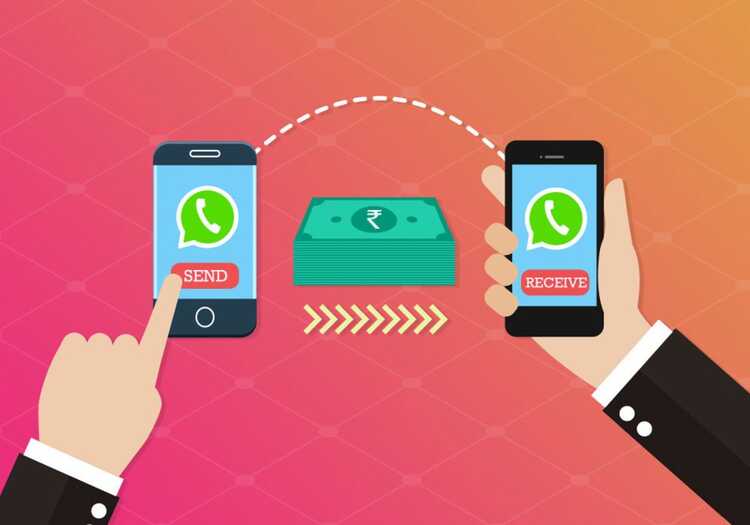
Despite its many advantages, the adoption of WhatsApp as a universal payment platform faces some regulatory and cultural barriers, especially in Western markets where traditional banking solutions and trusted services like Bizum are deeply entrenched.
In countries like Spain, some services are available through external integrations, but native payments within WhatsApp have not yet reached the level of other markets. Data privacy and dependence on Meta are controversial issues, although the company is actively working to overcome these limitations, always complying with international security and data protection standards.
Full deployment will depend on local regulations, bank agreements, and the ability to adapt the platform to the specific needs of each region. The independent wallet model, business payments, and API integration for merchants are the pillars that will help WhatsApp consolidate its position as a global leader in mobile payments.
Use cases and real-life examples
WhatsApp's mobile payments platform has already been successfully adopted by millions of users and businesses, especially in countries like India and Brazil:
- Top-up and balance management: Users who load funds into their digital wallet to make daily purchases, avoiding the use of cash.
- Automatic bill payment: From the app, you can pay your electricity, water, gas, rent, and other bills without relying on external websites or traditional banks.
- Micro-enterprises and businesses: Freelancers and SMEs accept instant payments in the chat, even generating links or QR codes to make it easier for their customers to collect payments.
- Instant personal transfers: Share expenses, send money to family or friends, manage group payments and remittances with maximum agility.
All of this results in a simplification of daily life , saving time and eliminating technical barriers for both individual users and companies.
Alternative options and expansion into other markets
While WhatsApp Pay is fully operational in countries like India and Brazil, other regions, especially in Europe and Latin America, have alternative services and third-party solutions:
- APIs and integration platformsSolutions like SleekFlow allow you to create personalized payment links, integrate WhatsApp with e-commerce payment gateways, and offer an omnichannel experience that combines WhatsApp, Facebook Messenger, and other channels.
- Companies like Silbo Money: They have developed WhatsApp wallets and payment systems geared toward the Spanish market, enabling direct transactions, balance requests, and customization via bots.
- Links and QR codesMerchants can generate quick payment requests that are sent via chat, facilitating payment without the need for external banking platforms.
Meta is making progress in signing agreements with local banks and issuing regular updates that add new features. WhatsApp mobile payments are expected to expand to more countries as regulations allow and user demand grows.
